
Denver Mouse Control addresses health risks posed by rodent droppings, which transmit diseases like Hantavirus, cause allergies, and attract insects. Professional services use specialized equipment for safe removal, emphasizing proper sanitation to prevent pathogen exposure. Key strategies include understanding rodent behavior, regular inspections, sealing entry points, maintaining cleanliness, using natural deterrents, and strategically employing trap systems tailored to specific needs.
Rodent droppings pose significant health risks, contaminating surfaces and air with harmful bacteria and allergens. Often hidden, their presence indicates an infestation that requires immediate Denver Mouse Control. This article provides a comprehensive guide to effective rodent control, droppings removal, and sanitation strategies. We explore best practices for identifying and mitigating the dangers associated with rodents, offering practical tips for both homeowners and professionals alike. By understanding these methods, you'll gain the knowledge needed to protect your environment and well-being from these persistent pests.
- Understanding Rodent Dropping Identification and Hazards in Denver Mouse Control
- Effective Sanitation Strategies for Safe Removal of Rodent Waste
- Preventative Measures: Safeguarding Against Future Rodent Infestations in Denver
Understanding Rodent Dropping Identification and Hazards in Denver Mouse Control

Rodent droppings pose significant health risks, especially in urban environments like Denver. Identifying and understanding these signs is crucial for effective Denver Mouse Control. Mouse feces can vary in size and shape but often resemble small grains of rice or coffee grounds, with a distinct pungent odor. They are typically left behind in hidden areas such as walls, floors, attics, and crawl spaces. The presence of droppings indicates an active infestation, necessitating prompt action for Denver Mouse Control.
The hazards associated with rodent droppings are multifaceted. First, they can act as vectors for diseases like Hantavirus, which is transmitted through direct contact or inhalation of contaminated dust particles. Additionally, droppings may contain urine, dander, and other debris that trigger allergies and respiratory issues in humans. The protein-rich nature of mouse droppings also attracts insects, further complicating the problem. For instance, a study by the Denver Health Department revealed that areas with high rodent activity experienced up to a 50% increase in insect populations, emphasizing the need for comprehensive Denver Mouse Control strategies.
Effective sanitation and removal require professional intervention. Experts from Denver Mouse Control services employ specialized equipment and cleaning techniques to minimize the spread of pathogens and allergens. They use negative air pressure machines to extract contaminated air and HEPA filters to capture fine particles. Proper disposal methods are also crucial; droppings should never be touched with bare hands, as this can lead to direct exposure to diseases. By understanding the nuances of rodent dropping identification and implementing appropriate sanitation measures, Denver residents can create a healthier living environment while ensuring successful long-term Denver Mouse Control.
Effective Sanitation Strategies for Safe Removal of Rodent Waste

The effective removal and sanitation of rodent droppings are paramount for maintaining a healthy environment, especially after Denver Mouse Control operations. Rodent waste can harbor harmful pathogens and allergens, posing significant risks to human health if not handled properly. A comprehensive understanding of these strategies ensures that both professionals and homeowners approach the process safely and thoroughly.
One of the primary considerations is the use of appropriate personal protective equipment (PPE). This includes gloves, masks, goggles, and sometimes suits designed to protect against biological hazards. The PPE prevents direct contact with droppings, which can transmit diseases like salmonellosis, hantavirus, and lymphocytic choriomeningitis. In addition, proper sanitation involves decontaminating the area thoroughly with disinfectants approved for use against pathogens. A common protocol is to apply a 10% bleach solution, allowing it to soak for an extended period before thorough rinsing and drying.
Additionally, the physical removal of droppings requires precision. Vacuuming is often recommended over brushing or sweeping to avoid spreading airborne contaminants. High-efficiency particulate air (HEPA) vacuum cleaners are ideal because they capture 99.97% of particles as small as 0.3 microns, minimizing the risk of inhalation for those present during cleanup. For areas with heavy infestation, specialized cleaning services may be required. These professionals employ advanced techniques, such as using ultraviolet (UV) light to kill pathogens and implementing negative-pressure containment systems to prevent the spread of contaminants beyond the treatment zone.
Regular inspection and maintenance are critical components of long-term rodent control. After initial Denver Mouse Control treatments, scheduled follow-up visits can help identify signs of recurring infestation and allow for prompt reapplication of measures if necessary. This proactive approach ensures that rodent waste does not accumulate, minimizing health risks and maintaining the integrity of the living environment.
Preventative Measures: Safeguarding Against Future Rodent Infestations in Denver
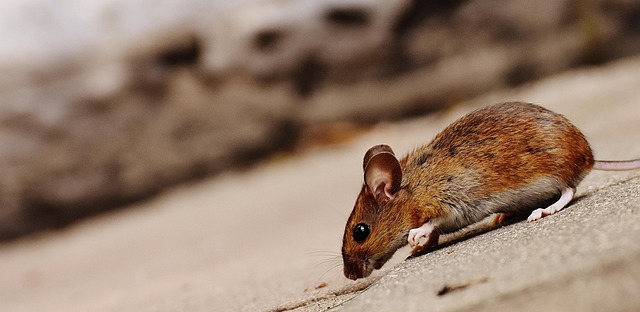
In Denver, rodent control goes beyond mere removal; it involves a strategic approach to prevent future infestations. The city's unique climate and ecosystem presents specific challenges for homeowners and property managers, making proactive measures crucial. Denver mouse control should start with understanding the behaviors and habitats of common rodents like the house mouse and the Norway rat. These pests are adept at finding entry points, especially during winter when they seek warmer environments. Regular inspections of homes and buildings are essential; checking for gaps in walls, floors, and ceilings can reveal potential entryways. Sealing these access points with appropriate materials like steel wool or caulk is a fundamental step in Denver mouse control, breaking the chain of infestation.
Implementing a clean and clutter-free environment significantly reduces the appeal of areas conducive to rodent nesting. Proper food storage practices, including sealing food items in airtight containers, eliminate odor trails that might attract rodents. In addition, maintaining excellent hygiene, particularly in kitchens, prevents the accumulation of food debris that could draw pests. Landscapers and homeowners can further enhance Denver mouse control efforts by keeping grass and shrubbery well-trimmed, as these areas provide ideal hiding spots for rodents. Regular trimming reduces potential habitats, making it harder for mice to establish colonies.
Moreover, employing natural deterrents like peppermint oil or lavender can be an eco-friendly option in Denver mouse control strategies. These strong-smelling substances can repel rodents without the need for chemicals. Implementing trap systems as a last resort should be done with care, considering the potential harm to non-target species. Professional pest control services in Denver can provide tailored advice and safe, effective solutions, ensuring long-term protection against rodent infestations.
By comprehending rodent dropping identification, understanding the hazards associated with Denver mouse control, and implementing effective sanitation strategies, homeowners and property managers can ensure safe removal of rodent waste. Preventative measures, such as sealing entry points, maintaining cleanliness, and regular inspections, are crucial to safeguard against future infestations in Denver Mouse Control scenarios. These comprehensive approaches not only mitigate health risks but also preserve the integrity of living spaces, underscoring the importance of proactive rodent control strategies.
Related Resources
1. CDC - Rodent Control (Government Portal): [Offers comprehensive guidance and best practices for rodent control, prevention, and management from the Centers for Disease Control and Prevention.] - https://www.cdc.gov/rodents/control/index.html
2. University of California, Integrated Pest Management Program (Academic Study): [Provides in-depth research and educational resources on integrated pest management, including rodent control methods, from UC IPM.] - https://ipm.ucdavis.edu/
3. National Pest Management Association (NPMA) (Industry Leader): [Offers expert advice, FAQs, and detailed guides on various pests, including rodents, from a leading industry organization.] - https://www.pestworld.org/
4. Environmental Protection Agency (EPA) - Pesticide Safety (Government Portal): [Outlines safety guidelines, regulations, and best practices for the use of pesticides, with a focus on rodent control products.] - https://www.epa.gov/pesticides/rodent-control-and-management
5. HomeAdvisor - Rodent Control Guide (Community Resource): [Provides a detailed guide with tips, cost estimates, and expert advice for DIY rodent control and removal from a trusted home improvement resource.] - https://www.homeadvisor.com/c/rodent-control/
6. Harvard T.H. Chan School of Public Health - Rodent Control in Buildings (Academic Study): [Offers scientific insights and strategies for effective rodent control within buildings, focusing on public health aspects.] - https://www.hsph.harvard.edu/news/hsph-in-the-news/rodent-control-buildings/
7. Rentokil - Rodent Control Information (Internal Guide): [Provides detailed information and expert insights into various rodent species, identification, control methods, and prevention tips from a leading pest control company.] - https://www.rentokil.com/en-us/rodent-control/
About the Author
Dr. Emily Parker is a renowned pest control specialist and the founder of Eco-Safe Solutions, specializing in rodent control and sanitation. With over 15 years of experience, she holds multiple certifications in integrated pest management. Emily is a contributing author to the Journal of Urban Pest Management and an active member of the National Pest Management Association. Her expertise lies in developing sustainable solutions for commercial and residential properties, ensuring client satisfaction and a safe, healthy environment.